What You Need to Know Before You Go to Poland
Poland is one of Europe’s most underrated travel destinations. From beautifully preserved medieval towns and fairytale castles to vibrant cities and mountain landscapes, Poland offers incredible value while delivering unforgettable experiences.
If you’re planning your first visit, there are a few things worth knowing before you arrive to help make your trim much smoother.
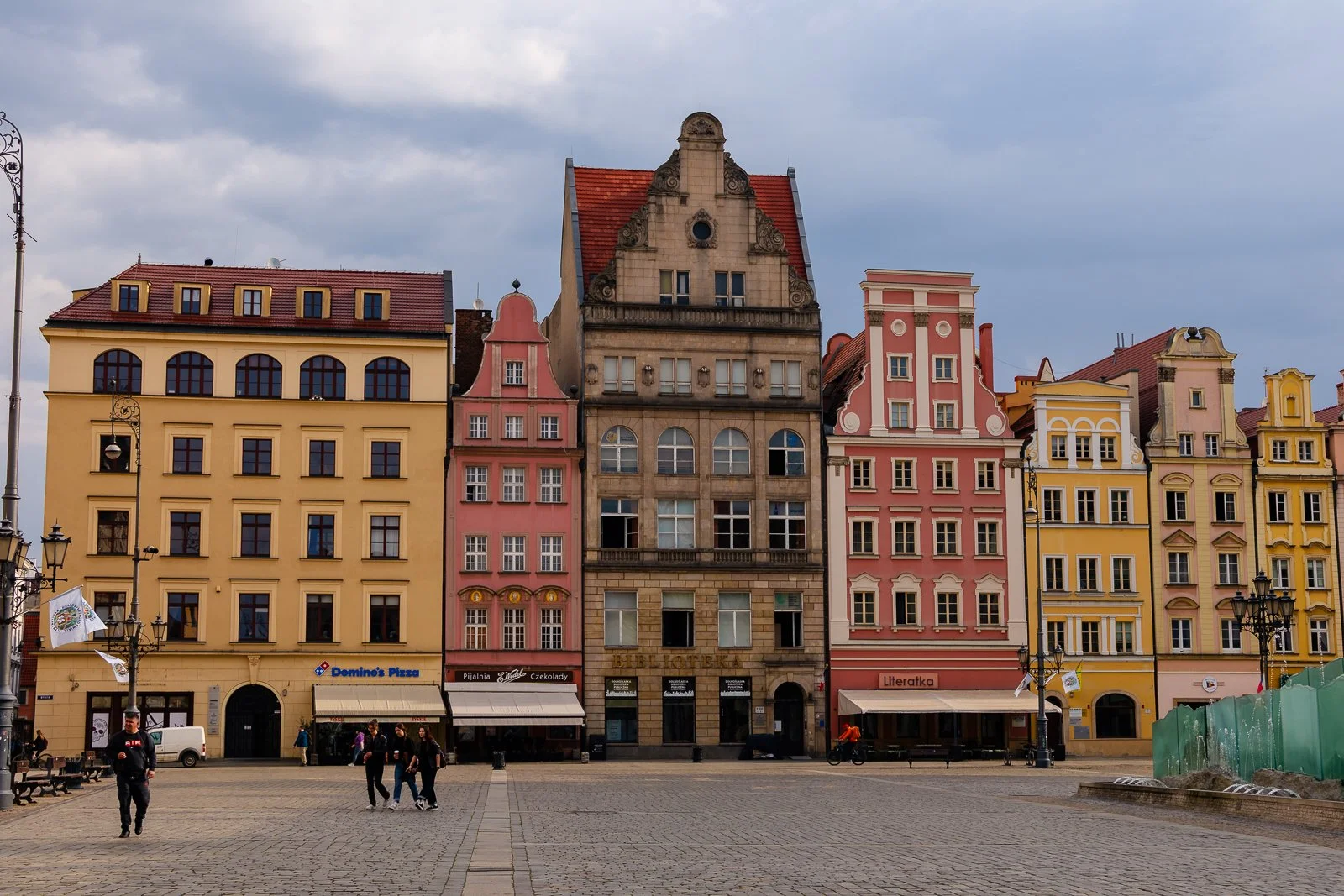
The Currency is Not the Euro
Although Poland is part of the European Union, it uses the Polish Złoty (PLN) instead of the Euro. At the time of writing this, it currently is about 5 PLN to 1 Euro. Credit cards are accepted almost everywhere, however it is still helpful to carry a small amount of cash for local markets or small shops. We were able to use our credit card for most places though.
And compared to many other Western European countries, Poland is much more affordable. For a typical mid-range hotel, It’s typically <$200 per night.
For tipping, it isn’t mandatory but is customary for good service. For restaurants, typically tip 10-15%. Some places do include a service charge so check if it has been included already.
Poland is big
Poland is part of Central Europe and is the 9th largest country in Europe. The popular cities are spread out and it can take hours to get between the big cities. Instead of rushing between cities, consider spending several days in each destination. We spent almost 3 weeks in Poland and still did not see everything.
For getting around, you can take trains or buses around the country of Poland, but I recommend renting a car to be able to go to the smaller towns. The roads were well maintained and parking was easy to find in the different towns. In cities like Warsaw and Krakow, we just parked our car at the hotel and then used uber to get around the city. The cities themselves are very walkable.
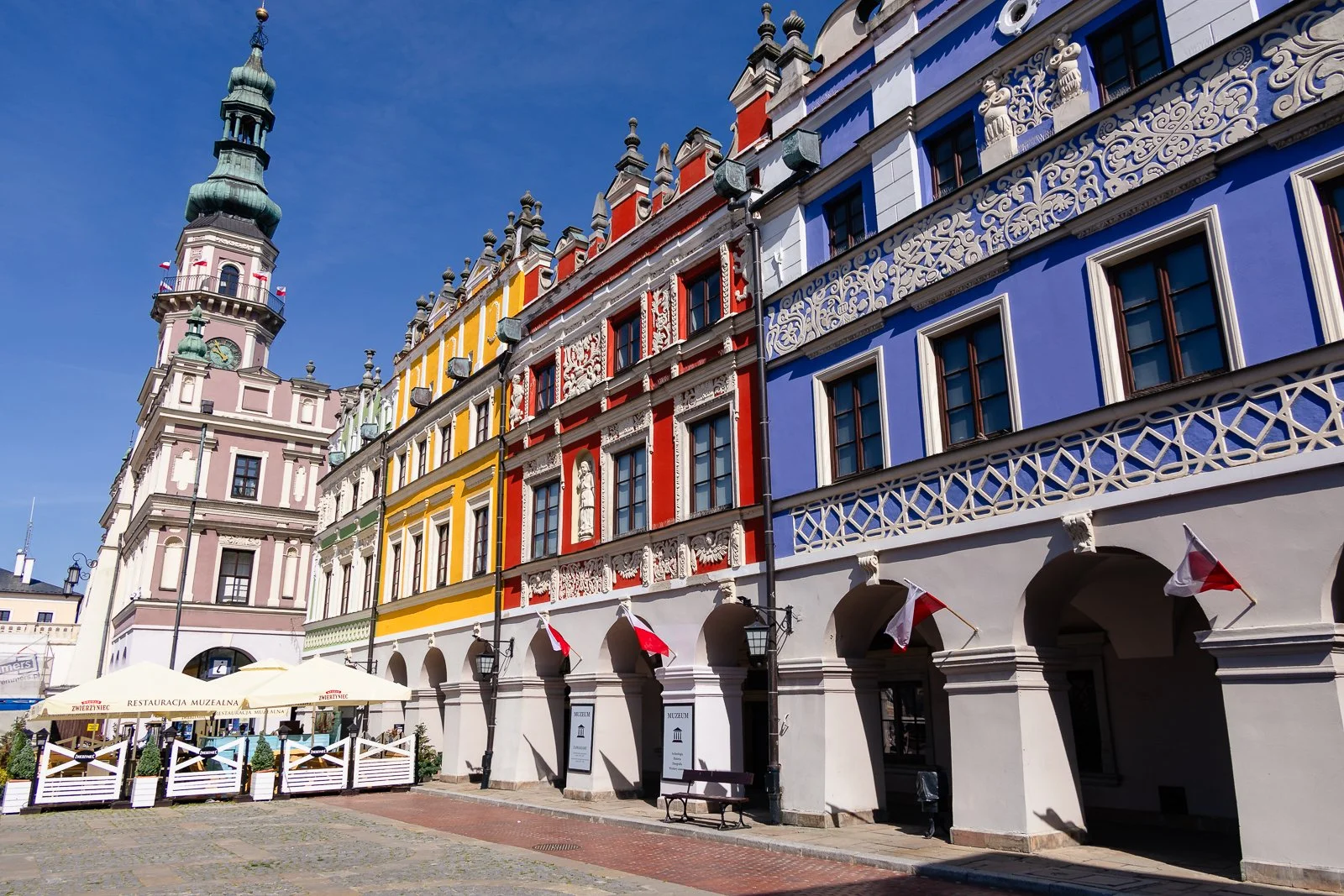
Visit in the shoulder seasons
Peak travel season runs from June through August. Expect larger crowds at the big cities like Krakow and Gdansk and the popular castles and museum will be more busy. For less crowds, I recommend traveling in April-May or September-October. We went at the end of April to mid-May and the weather was great and most sights were not too busy. Polish are big with celebrating both Christmas and Easter, most things will be closed for these days. There are also lots of holiday markets surrounding these as well.
Tip: If you are going in May, just know that May 1 is May Day and May 3 is Constitution Day, so a lot of things will be closed during those days.
Learn about the history
One of the highlights of visiting Poland is experiencing its remarkable history.
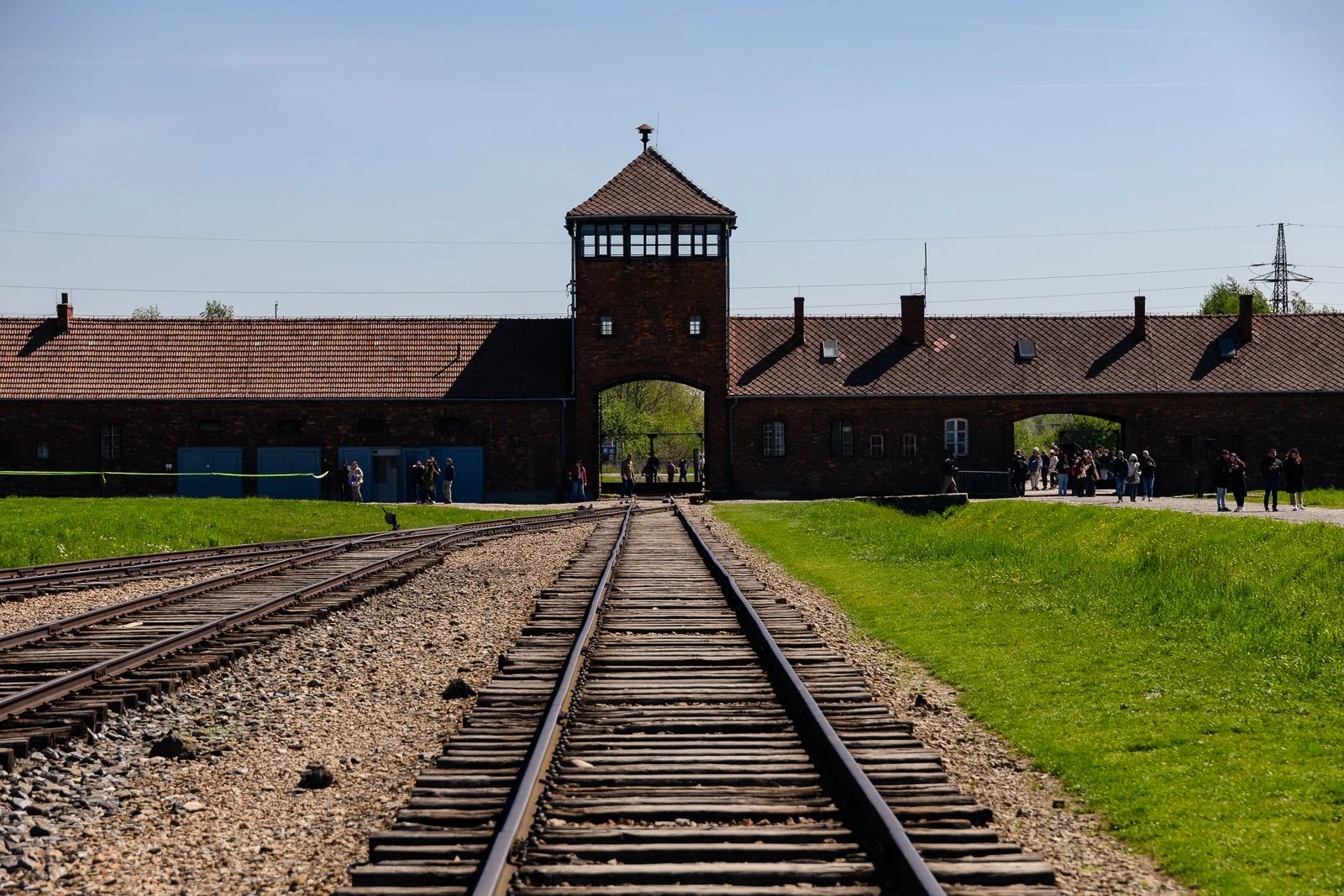
Learning and experiencing things surrounding World War 2 is one of the main things to do in Poland. Before World War 2, Warsaw had 380,000 Jews alone and was the 2nd largest Jewish city after New York and 80% of Europe’s Jews lived in Poland with about 3.3 million. After World War 2, most of the Jews were murdered in Nazi concentration camps and only about 300,000 remained. Of the entire Polish population, 1/5th of the citizens died during World War 2, with 90% of those being civilians. Many of the cities and buildings were also destroyed. Today, the eastern side of Poland is where you can see most of the older things as this was less touched during World War 2. The best museums about World War 2 are Museum of WW2 in Gdansk, Warsaw Uprising Museum, and Schindler’s Factory. To learn more about the Jewish population and their experiences, visit the POLIN museum of the history of the Jews, Auschwitz-Birkenau Memorial, and the Kazimierz district in Krakow.
Poland has hundreds of Castles. Officially there are 502 Castles and 2,500 palaces and manor homes throughout the country. Most of the castles are open to the public and can be visited year round, however some of the smaller places are only open from Easter to October. Best castles are Malbork Castle, Wawel Royal Castle, and Ksiaz Castle.
Try the food
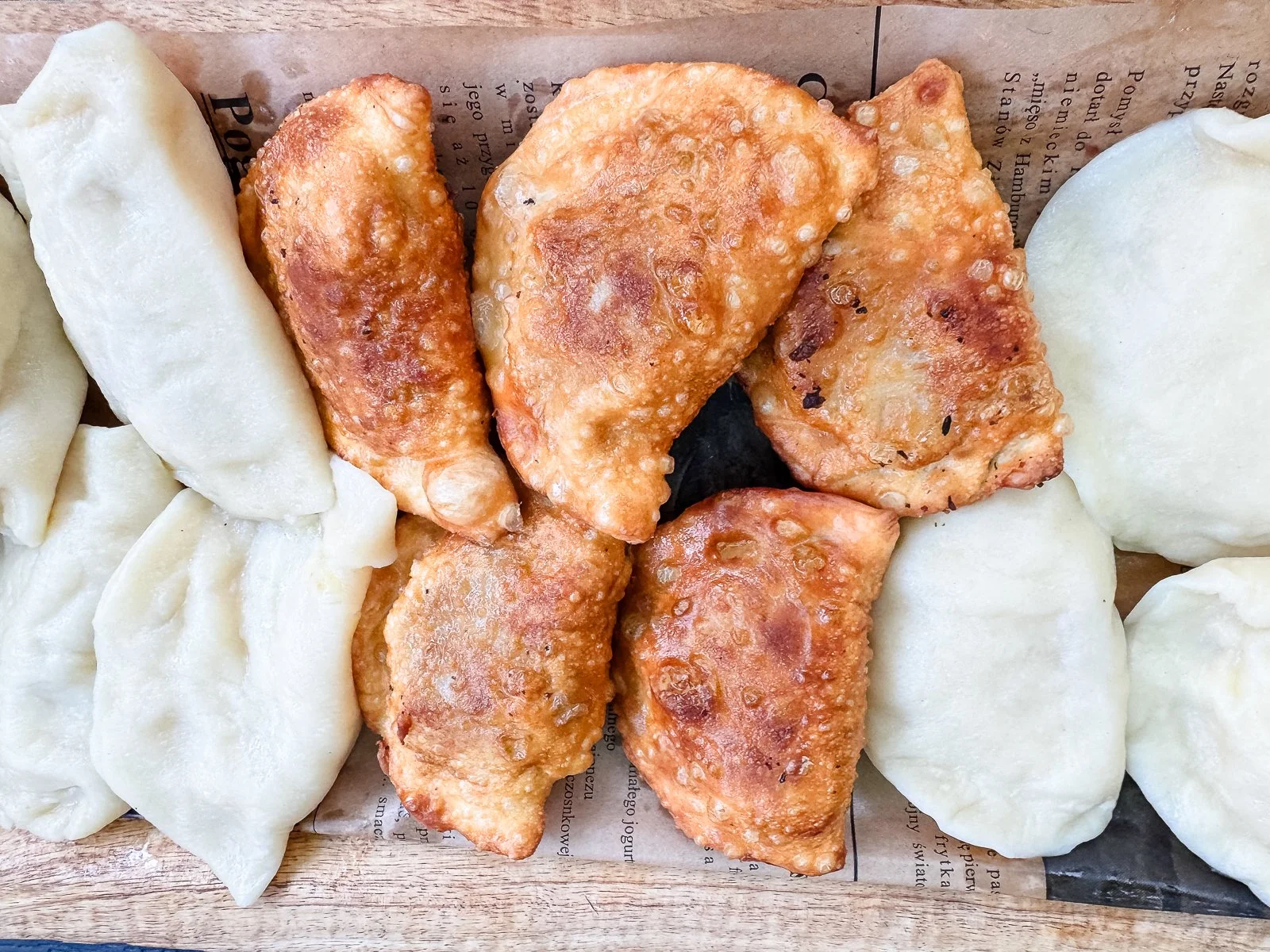
Polish cuisine is hearty and comforting. Popular are the Pierogi (savory dumpling). Poland also has tons of Italian restaurants, which I had probably some of the best Italian food outside of Italy here. They also have excellent pastries.
Save space for souvenirs
Before going to Poland, I didn’t really think I would buy many souvenirs from there as I didn’t know much about what they made. Poland is world-renowned for its beautifully crafted glass Christmas ornaments and are hand-blown and hand-painted. We visited in the off season of May and still found many ornaments being sold in markets or shops dedicated to Christmas ornaments. Amber jewelry is a popular souvenir, especially from Gdansk.
Poland is one of the underrated travel destination but still offers history, beautiful architecture, welcoming people, delicious food, and outstanding value. Whether you’re exploring medieval market squares or learning about the history or World War 2, Poland offers experiences that stay with you long after you’ve returned home.